

Analyzing the relationship between gambling and entertainment
Historical Context of Gambling as Entertainment
The relationship between gambling and entertainment dates back centuries, deeply rooted in cultural practices and social gatherings. Early civilizations often integrated games of chance into their recreational activities, providing a form of amusement that also historically offered a means of social interaction. From ancient Rome’s betting on gladiatorial combat to royal courts engaging in card games, gambling has long served as a communal experience that enhances the allure of entertainment.
In modern times, this relationship is evident as well. Gambling venues like casinos and racetracks have become significant tourist attractions, offering various forms of entertainment beyond simple betting. From live performances to gourmet dining, these establishments cater to a broad audience, intertwining the thrills of gambling with luxurious leisure activities. This evolution reflects society’s growing acceptance of gambling as an integral aspect of entertainment. Notably, gambling has increasingly been incorporated into popular culture, with movies, television shows, and literature often portraying it as an exciting and glamorous pursuit that can lead to significant fortunes or dramatic downfalls.

Furthermore, the social aspect of gambling should not be underestimated. Many people enjoy visiting casinos or participating in games with friends as a bonding experience. This shared experience often fosters a sense of community and belonging, which adds another layer to the entertainment value of gambling. As societies evolve, the ways in which gambling is perceived and enacted continue to change, potentially leading to new forms of entertainment that blend with or diverge from traditional gambling practices.
The Psychological Appeal of Gambling
The psychological allure of gambling as a form of entertainment is profound. It provides an adrenaline rush and a sense of thrill, akin to the excitement found in other forms of leisure activities, such as sports or adventure rides. This unique combination of risk and reward attracts players who seek a temporary escape from reality, allowing them to immerse themselves fully in the moment. The anticipation of a win, paired with the possibility of loss, creates a dynamic tension that many find irresistible.
Moreover, the competitive nature of many gambling activities can enhance the entertainment value. Whether participating in poker tournaments or racing against the clock in a fast-paced slot machine game, the stakes involved can amplify the excitement levels. This psychological engagement is pivotal in understanding the popularity of gambling in an entertainment context, as it fulfills desires for excitement and social interaction. Research indicates that the thrill associated with gambling can release dopamine in the brain, a neurotransmitter linked to pleasure and reward, which can lead to a cycle of repeated play as individuals chase that high.
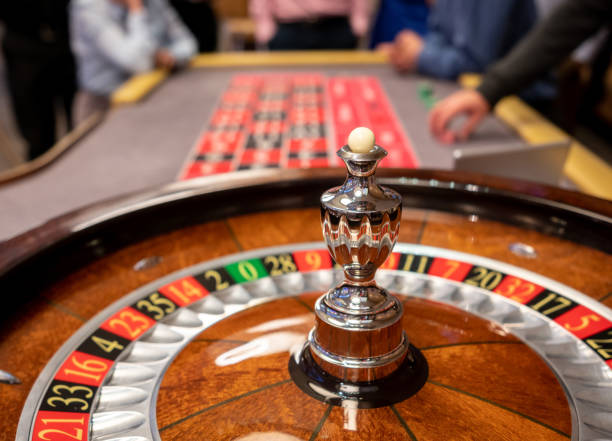
Additionally, gambling often comes with a layer of strategy, especially in games like poker that require skill and psychological insight into opponents. This strategic component not only makes the experience more intellectually stimulating but also enhances the overall enjoyment for many players, who may view it as a challenge against both the house and fellow competitors.
The Role of Technology in Gambling Entertainment
With the advent of online gaming platforms, the relationship between gambling and entertainment has undergone a substantial transformation. Technological innovations have made gambling more accessible, allowing individuals to engage in their favorite games from the comfort of their homes. This convenience has broadened the appeal of gambling, attracting a wider audience, including those who may not visit physical casinos. The sheer variety of online games has made it easier for players to find versions they enjoy, increasing overall participation in gambling activities.
Additionally, advancements in virtual reality (VR) and augmented reality (AR) promise to elevate the entertainment experience further. These technologies create immersive environments where players can enjoy a casino-like atmosphere without leaving their living rooms. By combining entertainment with technological advancements, the future of gambling looks set to attract an even more diversified audience. These developments not only improve user engagement but also create opportunities for innovative game designs that incorporate interactive storytelling and personalized experiences.
Furthermore, the integration of mobile devices has also transformed the gambling landscape. With mobile applications, players can gamble on-the-go, making it easier to integrate gaming into daily routines. This constant accessibility can lead to both positive and negative implications for players, highlighting the importance of responsible gaming practices in this new digital era.
Economic Impact of Gambling on Entertainment Industries
The economic implications of gambling as a form of entertainment extend far beyond individual betting activities. It significantly contributes to local economies, providing jobs and generating tax revenues that support public services. Many cities have invested heavily in casino infrastructure, recognizing the entertainment value and economic potential these establishments offer. The tourism sector, in particular, greatly benefits from gambling, as visitors often spend money beyond just gaming, including dining, shopping, and entertainment.
Furthermore, the synergy between gambling and other entertainment sectors, such as hospitality and tourism, cannot be overlooked. Hotels and resorts often expand their services by offering gaming options, making them more attractive to visitors. This interconnected relationship strengthens the overall entertainment landscape, showcasing gambling as a vital player in economic growth. The collaborative efforts between these sectors lead to innovative marketing strategies that draw in more guests and create a vibrant ecosystem of entertainment options.
Additionally, the presence of gambling establishments can lead to both positive and negative social implications within communities. While new jobs and increased tourism can bolster local economies, there can also be concerns regarding problem gambling and its effects on families and individuals. Addressing these challenges requires a collaborative approach between businesses, governments, and community organizations to promote responsible gaming and ensure that the economic benefits of gambling do not come at the expense of social well-being.
Conclusion and Further Exploration
Analyzing the relationship between gambling and entertainment reveals a multifaceted interplay that captivates audiences and influences economies. The historical significance, psychological appeal, technological advancements, and economic impacts highlight the importance of gambling as a pivotal form of entertainment in contemporary society. It intertwines itself with culture, psychology, and technology, creating a unique blend of experiences that appeal to a diverse range of individuals.
For those interested in exploring the exciting world of gambling entertainment further, visiting dedicated platforms like fast payout casinos canada can provide valuable insights and experiences. Engaging with responsible gaming practices can ensure that this form of entertainment remains enjoyable and sustainable for generations to come. Additionally, continued awareness and ongoing research into the implications of gambling will play a crucial role in shaping the future landscape of this industry, ensuring that it aligns with the well-being of society at large.